Standards-Based Inspection in a Complex Trading Environment
Iraq’s grain import sector operates at the intersection of multiple international trade frameworks, government procurement contracts, and private commercial agreements. For grain inspection services to carry legal and commercial weight in this environment, they must be conducted in accordance with internationally recognised standards that are accepted by commodity traders, P&I clubs, cargo underwriters, arbitration tribunals, and trade finance institutions worldwide.
Nouri Alwan Marine Surveyors and Consultancy (NAMSC) has built its grain inspection services across Iraqi ports — including Umm Qasr, Basra, and Khor Al Zubair — on a foundation of strict adherence to international standards. This commitment to standards compliance is what distinguishes NAMSC’s inspection certificates from informal or unaccredited reports and makes them admissible in international trade disputes.
GAFTA: The Grain Trade Standard
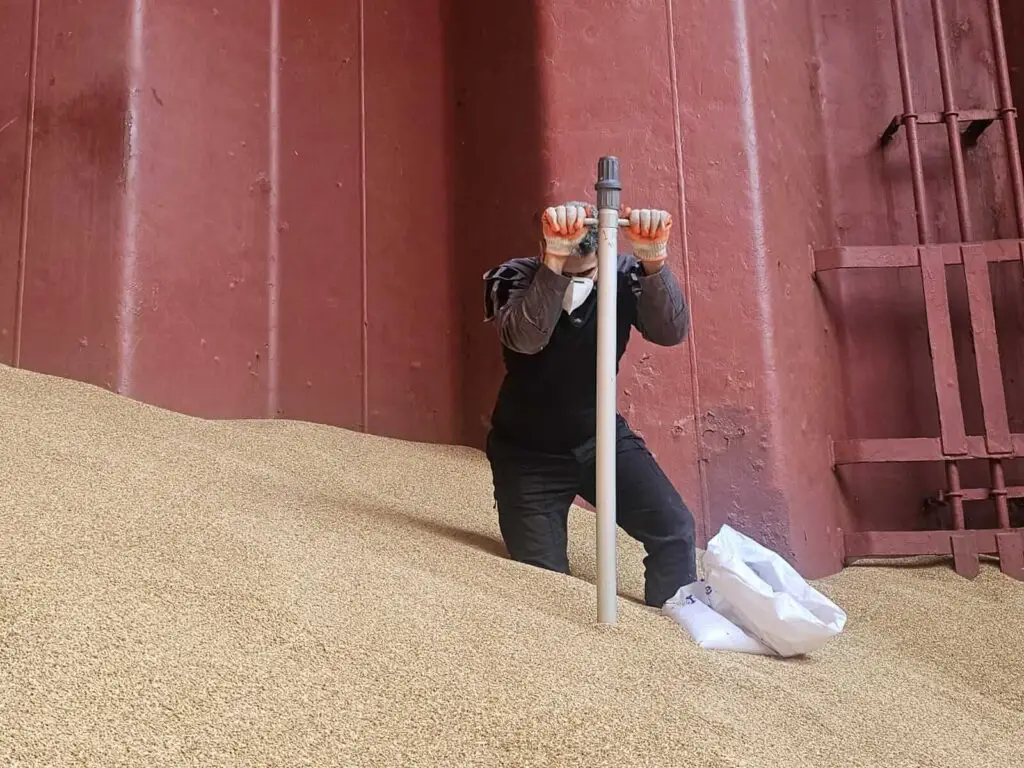
The Grain and Feed Trade Association (GAFTA) sets the internationally recognised rules for grain sampling, inspection, and arbitration used in the global bulk grain trade. GAFTA sampling rules define the minimum number of incremental samples required per tonne of grain, the methodology for compositing and dividing samples, the type of sampling equipment to be used, and the conditions under which samples must be stored and transported.
Alwan Marine’s surveyors at Umm Qasr, Basra, and Khor Al Zubair follow GAFTA sampling rules as the primary procedural standard for all grain inspection operations. GAFTA-compliant inspection certificates issued by NAMSC are accepted by GAFTA arbitration tribunals in London and are recognised by the major commodity trading houses that operate in the Iraqi grain import market.
ISO Standards in Grain Analysis and Laboratory Testing
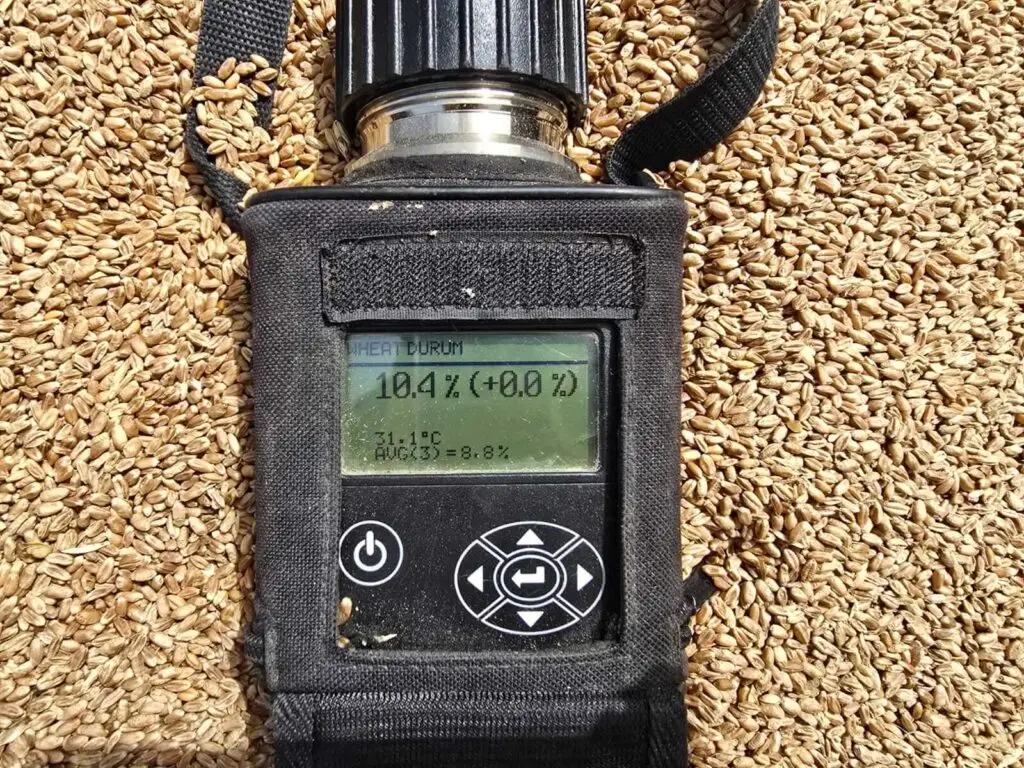
Laboratory analysis of grain samples collected by NAMSC is conducted in accordance with International Organisation for Standardisation (ISO) test methods. Key ISO standards applied in the grain inspection context include ISO 6540 for moisture content determination in maize, ISO 711 for cereals and cereal products moisture content, ISO 7971 for the determination of bulk density or specific weight, ISO 5223 for test sieves for cereals, and ISO 6639 for the detection of insect infestation in grain.
ISO-compliant testing ensures that laboratory results are reproducible, internationally comparable, and defensible in contractual and legal proceedings. Alwan Marine specifies ISO test methods in its laboratory analysis briefs to ensure consistency across all grain inspection assignments in Iraq.
FOSFA Standards for Oilseeds and Animal Feed
Where grain inspection assignments in Iraqi ports involve oilseeds, vegetable oils, or animal feed products such as soybean meal, sunflower meal, or rapeseed meal, Alwan Marine applies FOSFA (Federation of Oils, Seeds and Fats Associations) inspection and sampling standards in addition to or in place of GAFTA rules, depending on the applicable trade contract.
FOSFA rules govern the sampling, analysis, and arbitration of oilseed and animal feed cargo trades, and NAMSC’s surveyors are trained to apply the appropriate standard based on the commodity being inspected and the terms of the governing sales contract.
Phytosanitary and Food Safety Compliance
In addition to trade standards, grain imports entering Iraq through Umm Qasr, Basra, and Khor Al Zubair must comply with Iraqi phytosanitary regulations administered by the Ministry of Agriculture, as well as the food safety standards of the State Company for Grain Trading. Alwan Marine’s inspection process incorporates verification of phytosanitary certificates issued at origin, fumigation records, and hold condition assessments that support compliance with Iraqi import requirements.
Where laboratory analysis reveals the presence of prohibited pests, weed seeds, or mycotoxin levels exceeding Iraqi or international thresholds, NAMSC documents these findings in the inspection report, providing the factual basis for regulatory interventions or commercial claims.
ISO 9001 Quality Management at NAMSC
NAMSC operates under an ISO 9001-compliant quality management system, which provides the operational framework for consistent, auditable delivery of grain inspection services across all Iraqi port locations. ISO 9001 compliance means that NAMSC’s procedures, from surveyor training and equipment calibration through to report issuance and document retention, are governed by documented processes that are subject to regular internal and external audit.
This systemic quality assurance is what allows importers, commodity traders, and government agencies to trust that an Alwan Marine grain inspection certificate represents a consistent, reliable standard of professional assessment, regardless of which port or vessel the inspection covers.
Contact Alwan Marine at alwanmarine.com to request standards-compliant grain inspection services at Umm Qasr, Basra, or Khor Al Zubair.